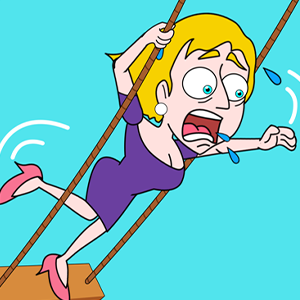
Scene reading
Name the immediate problem
Each scene presents a small decision. Before choosing, describe what is about to go wrong and which visible detail might change that outcome.
Opening read
Compare every displayed option against that problem. An answer that looks bold can still leave the original danger untouched or create a second one.
Choice method
Use evidence before speed
The important clue may be a position, an available object, or the consequence implied by the scene. Read the full setup before committing.
Input note
Choose a displayed option with a click or tap; some scenes may also ask for a drag. Treat the prompt and the surrounding objects as one piece of information.
Retry note
Explain the wrong choice
A failed choice is useful only when you can say what it overlooked. Carry that one clue into the retry instead of selecting the other answer at random.
If the attempt slips
On a repeat attempt, focus on the ignored position, timing, object, or consequence. Keep the rest of your reading process the same while testing that clue.
Player questions
Choice puzzle help
What controls does Save The Girl 3 use?
Every choice accepts one simple input: press the option you decided on, or follow the drag the scene requests. Describe the danger in plain words first, then commit.
Are the rescue choices mainly about speed?
Speed is not what solves the scene. Name the danger first and pick the option that removes it; a bold-looking answer can leave the original problem untouched or create a second one.